

Does the signal range of an alarm smart switch depend on the building structure?
Leave a message

As a supplier of alarm smart switches, I've encountered numerous inquiries from customers regarding the signal range of these devices. One common question that often surfaces is whether the signal range of an alarm smart switch depends on the building structure. In this blog post, I'll delve into this topic, providing scientific insights and real - world examples to help you understand the relationship between building structure and the signal range of alarm smart switches.

Understanding Alarm Smart Switches
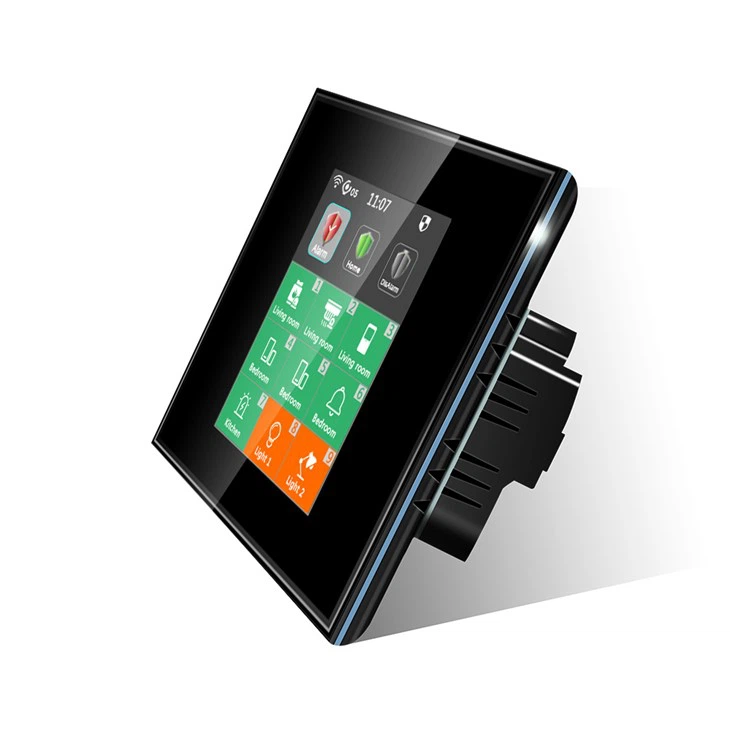
Before we discuss the impact of building structure on signal range, let's briefly understand what alarm smart switches are. Alarm smart switches, such as our LCD Wifi Mesh Alarm Smart Switch, are advanced devices that combine the functionality of a traditional switch with smart features and alarm capabilities. They can be controlled remotely via a smartphone app, and in case of emergencies, they can trigger alarms to alert users. These switches are often part of a larger smart home or building security system, and their effectiveness largely depends on their signal range.
Factors Affecting Signal Range
The signal range of an alarm smart switch is influenced by several factors, including the type of wireless technology used, the power of the signal transmitter, and environmental conditions. However, building structure is one of the most significant factors that can either enhance or limit the signal range.
Building Materials
Different building materials have varying effects on the signal propagation of alarm smart switches. For example, concrete and metal are known to be signal - blockers. Concrete walls are dense and can absorb and reflect radio waves, which are commonly used for wireless communication in smart switches. Metal, on the other hand, acts as a shield, preventing the signal from passing through. In a building with thick concrete walls and a lot of metal fixtures, the signal range of an alarm smart switch can be significantly reduced.
On the contrary, materials like wood and drywall are more signal - friendly. They allow radio waves to pass through with relatively less attenuation. So, in a wooden - framed house or a building with drywall partitions, the alarm smart switch is likely to have a better signal range.
Building Layout
The layout of a building also plays a crucial role in determining the signal range. A building with a complex layout, such as a maze - like office building with many rooms, corridors, and partitions, can cause the signal to bounce off multiple surfaces. This multi - path propagation can lead to signal interference and attenuation. In contrast, a simple, open - plan building allows the signal to travel more freely, resulting in a longer signal range.
Floors and Levels
In multi - story buildings, the number of floors and the distance between them can affect the signal range. As the signal has to travel through floors, which are often made of concrete or other dense materials, its strength decreases with each floor. For instance, if an alarm smart switch is installed on the ground floor, the signal may not reach a device on the fifth floor without proper signal boosters or a mesh network.
The Role of Mesh Technology
To overcome the limitations imposed by building structure, many modern alarm smart switches, like our Intelligent Control Panel Kit, use mesh technology. A mesh network consists of multiple smart switches that act as nodes. Each node can receive and re - transmit the signal, creating a self - healing network. This technology helps to extend the signal range and ensure reliable communication even in buildings with complex structures.
In a mesh network, if one path for the signal is blocked by a concrete wall or other obstacles, the signal can find an alternative route through other nodes. This redundancy makes the system more resilient to the effects of building structure on signal range.
Real - World Examples
Let's consider two real - world scenarios to illustrate the impact of building structure on the signal range of alarm smart switches.
Scenario 1: A Modern Apartment Building
In a modern apartment building with concrete walls and metal frames, the signal range of a non - mesh alarm smart switch may be limited to a single room or a small area. For example, if a switch is installed in the living room, the signal may not reach the bedroom on the other side of a thick concrete wall. However, if a mesh network of alarm smart switches is installed, the signal can be relayed through other switches in the hallway or adjacent rooms, ensuring that all areas of the apartment are covered.
Scenario 2: An Old Wooden House
In an old wooden house with a simple layout, a non - mesh alarm smart switch may have a relatively long signal range. The wooden walls and open - plan design allow the signal to travel freely. However, if the house has some metal fixtures or a basement with a concrete floor, these areas may experience signal weakening. A mesh network can still be beneficial in this case to ensure consistent signal coverage throughout the house.
Mitigating the Effects of Building Structure
As a supplier, we understand the challenges posed by different building structures. To help our customers, we offer several solutions.
Signal Boosters
Signal boosters can be used to enhance the signal strength of alarm smart switches. These devices amplify the signal, allowing it to travel further and penetrate through obstacles more effectively.
Mesh Networks
As mentioned earlier, mesh networks are an excellent solution for buildings with complex structures. By creating a network of interconnected switches, we can ensure that the signal reaches every corner of the building.
Professional Installation
Proper installation is also crucial. Our team of experts can assess the building structure and recommend the best placement for alarm smart switches to optimize the signal range.
Conclusion
In conclusion, the signal range of an alarm smart switch does depend on the building structure. Building materials, layout, and the number of floors can all have a significant impact on the signal propagation. However, with the use of advanced technologies such as mesh networks and signal boosters, these limitations can be overcome.
If you're interested in purchasing our alarm smart switches and need a solution tailored to your building's structure, we're here to help. Contact us for a detailed consultation and let's discuss how our products can meet your needs. Whether you're building a new smart home or upgrading an existing security system, our alarm smart switches and related kits can provide reliable and efficient solutions.
References
- "Wireless Communication Principles and Practice" by Theodore S. Rappaport.
- "Building Structures: Principles, Materials, and Systems" by John Ochsendorf.


