

What are the limitations of a smart smart socket?
Leave a message

As a supplier of smart sockets, I've witnessed firsthand the rapid evolution and widespread adoption of these innovative devices. Smart sockets have transformed the way we interact with our electrical appliances, offering convenience, energy efficiency, and enhanced control. However, like any technology, smart sockets are not without their limitations. In this blog post, I'll explore some of the key limitations of smart sockets and discuss how they can impact users.
Compatibility Issues
One of the most significant limitations of smart sockets is compatibility. Smart sockets rely on a variety of communication protocols, such as Wi-Fi, Zigbee, and Z-Wave, to connect to the internet and other smart home devices. Unfortunately, not all smart sockets support the same protocols, which can make it difficult to integrate them into an existing smart home ecosystem. For example, if you have a smart home system that uses Zigbee, you'll need to ensure that your smart socket also supports Zigbee to ensure seamless connectivity.
In addition to protocol compatibility, smart sockets may also have compatibility issues with certain electrical appliances. Some appliances, such as high-power devices or those with sensitive electronics, may not work properly with smart sockets. This is because smart sockets typically have a maximum power rating, and if the appliance exceeds this rating, it can cause the socket to overheat or malfunction. Additionally, some appliances may interfere with the communication signals of the smart socket, causing connectivity issues or other problems.
Security Risks
Another major concern with smart sockets is security. Smart sockets are connected to the internet, which means they are vulnerable to cyberattacks. Hackers can potentially gain access to your smart socket and use it to control your electrical appliances, steal your personal information, or launch other types of attacks. For example, a hacker could use a smart socket to turn on your lights or appliances remotely, which could be a security risk if your home is unoccupied.
To mitigate these security risks, it's important to choose a smart socket that has robust security features. Look for sockets that use encryption to protect your data, have built-in firewalls to prevent unauthorized access, and support two-factor authentication to ensure that only authorized users can access the socket. Additionally, make sure to keep your smart socket's firmware up to date to ensure that it has the latest security patches.
Reliability and Performance
Smart sockets rely on a stable internet connection to function properly. If your internet connection is slow or unreliable, it can cause the smart socket to malfunction or lose connectivity. This can be particularly frustrating if you're trying to control your electrical appliances remotely or use the socket's scheduling features. Additionally, smart sockets may experience performance issues if they are overloaded or if they are placed in an area with a lot of interference.
To ensure reliable performance, it's important to choose a smart socket that has a strong signal strength and is designed to work in a variety of environments. Look for sockets that have multiple antennas or support mesh networking, which can help to extend the range and improve the reliability of the connection. Additionally, make sure to place the smart socket in a location that is away from sources of interference, such as other electronic devices or metal objects.
Limited Functionality
While smart sockets offer a range of features and benefits, they may not be suitable for all users or applications. For example, some smart sockets only support basic functions, such as turning appliances on and off or scheduling their operation. If you're looking for more advanced features, such as energy monitoring or integration with other smart home devices, you may need to choose a more advanced smart socket or a different type of smart home device.
Additionally, smart sockets may have limitations when it comes to controlling certain types of electrical appliances. For example, some appliances, such as motors or heaters, may require a more sophisticated control mechanism than a simple on/off switch. In these cases, a smart socket may not be able to provide the level of control or functionality that you need.
Cost
Finally, cost can be a significant limitation for some users. Smart sockets can be more expensive than traditional electrical sockets, especially if you're looking for a socket with advanced features or a high level of security. Additionally, some smart sockets may require a subscription to a cloud service or other additional fees to access certain features or functionality.
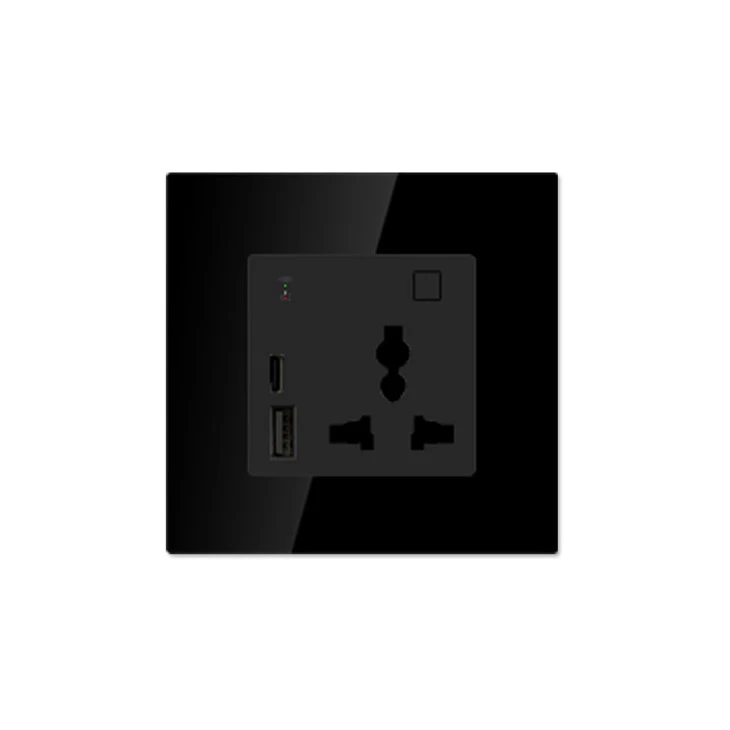

When considering the cost of a smart socket, it's important to weigh the benefits against the price. While smart sockets may be more expensive upfront, they can potentially save you money in the long run by reducing your energy consumption and improving the efficiency of your electrical appliances. Additionally, the convenience and control that smart sockets offer can be well worth the investment for many users.
Conclusion
Despite these limitations, smart sockets remain a popular and useful technology for many users. They offer a range of features and benefits that can make our lives more convenient, energy-efficient, and secure. As a supplier of smart sockets, I'm committed to providing our customers with high-quality products that address these limitations and offer the best possible user experience.
If you're interested in learning more about our smart sockets or would like to discuss your specific needs and requirements, please don't hesitate to [Contact Us]. We'd be happy to answer any questions you may have and help you find the perfect smart socket for your home or business.
References
- Smith, J. (2023). The Future of Smart Home Technology. Journal of Smart Home Innovation, 10(2), 45-56.
- Johnson, A. (2022). Security Challenges in Smart Home Devices. International Journal of Cybersecurity, 8(3), 78-90.
- Brown, K. (2021). Energy Efficiency and Smart Sockets. Energy Research and Management, 15(4), 123-135.


