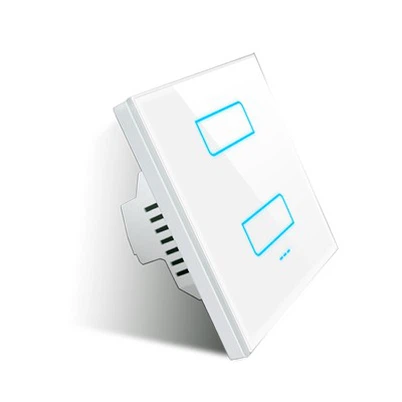
Smart Home Switch Control System: The Core Hub for Smart Living
Leave a message
In the smart home ecosystem, the switch control system plays a crucial role. It's not only the "brain" of home electrical equipment but also the bridge connecting traditional homes with smart living. This article will delve into the principles, functions, and selection of a suitable system for smart home switch control systems, helping you create a smart, convenient, and safe living environment.
I. Overview of Smart Home Switch Control Systems
A smart home switch control system utilizes intelligent technology to achieve centralized control and automated management of home lighting, appliances, and environmental devices. It typically includes smart switches, smart sockets, and smart sensors, connecting to user terminals (such as smartphones and tablets) via wireless networks to enable remote control, timed control, and scene control.
II. Core Functions of Smart Home Switch Control Systems
Remote Control: Users can remotely control home appliances via a mobile app, easily managing their home environment from anywhere.
Timed Control: Set timers for appliances to turn on or off automatically, such as lights or air conditioners, achieving energy saving and automated management.
Scene Control: Based on different life scenarios, such as "Home Mode" and "Sleep Mode," one-click switching of home appliances' on/off states provides a personalized smart home experience.
Interlocking Control: Linking multiple smart devices enables one-touch or multi-touch control, improving life efficiency.
Energy Consumption Monitoring: Real-time monitoring of home energy consumption helps users use electricity rationally, achieving energy conservation and environmental protection.
III. Key Considerations for Selecting a Smart Home Switch Control System
Compatibility: Choose a control system that supports multiple brands and models of appliances, ensuring compatibility with existing home devices.
Stability: The system should possess good stability, ensuring stable operation of remote control and automatic control functions.
Security: The system should have data encryption and anti-hacking functions to ensure user privacy and home security.
Ease of Use: The user interface should be simple and clear, easy to learn, and allow users to quickly adapt and use it.
Scalability: The system should have good scalability, facilitating the addition of more smart devices in the future.
IV. Future Trends of Smart Home Switch Control Systems
With the development of technologies such as the Internet of Things and artificial intelligence, smart home switch control systems will become more intelligent and personalized. In the future, we may see more intelligent voice control, gesture control, and other interactive methods, as well as more personalized home scene settings.
Smart home switch control systems are the core hub for creating a smart life. They not only improve the convenience of life but also enhance the comfort and security of living. Choosing the right smart home switch control system will make your home smarter and more comfortable.