

Are smart sockets affected by electromagnetic interference?
Leave a message

As a supplier of smart sockets, I've been frequently asked about the impact of electromagnetic interference (EMI) on these devices. In this blog, I'll delve into this topic, exploring whether smart sockets are affected by EMI, the potential sources of such interference, and how to mitigate its effects.
Understanding Smart Sockets and Electromagnetic Interference
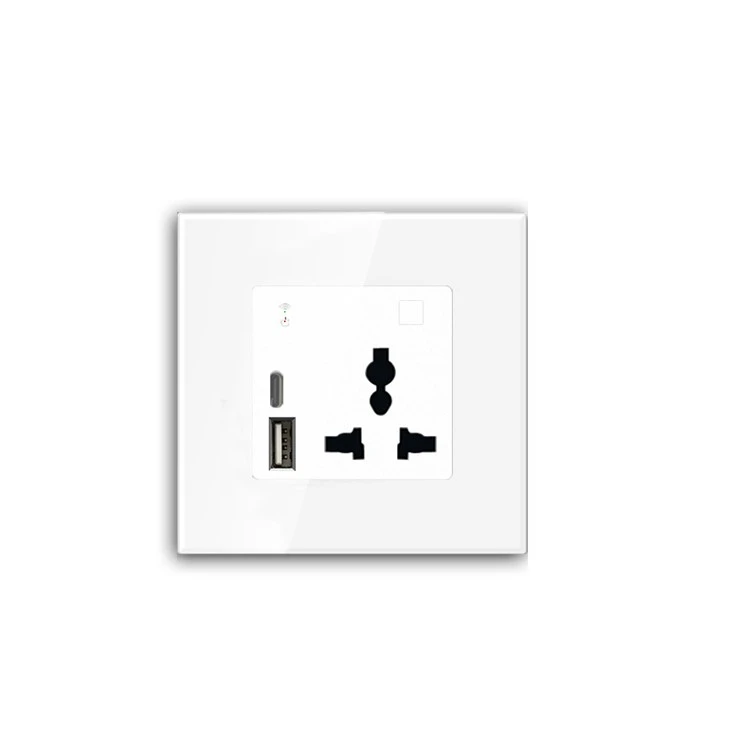
Smart sockets are innovative devices that allow users to control electrical appliances remotely via a smartphone app or other smart home systems. They combine traditional socket functionality with modern connectivity features, making them a popular choice for smart home enthusiasts.
Electromagnetic interference, on the other hand, refers to the disruption of the normal operation of an electronic device by an external electromagnetic field. This field can be generated by a variety of sources, including power lines, electrical appliances, radio frequency (RF) transmitters, and even natural phenomena like lightning.
Are Smart Sockets Affected by Electromagnetic Interference?
The short answer is yes, smart sockets can be affected by electromagnetic interference. However, the degree of impact depends on several factors, including the design and quality of the smart socket, the strength and frequency of the interference, and the environment in which the socket is used.
Design and Quality of the Smart Socket
Well-designed smart sockets are equipped with shielding and filtering mechanisms to minimize the impact of EMI. These mechanisms help to block or reduce the electromagnetic fields that could otherwise interfere with the socket's internal circuitry. For example, some smart sockets use metal enclosures or conductive coatings to shield the electronic components from external electromagnetic fields. Additionally, they may incorporate filters to suppress high-frequency noise and interference.
However, not all smart sockets are created equal. Cheaper or poorly designed models may lack these protective features, making them more susceptible to EMI. As a supplier, I always emphasize the importance of choosing high-quality smart sockets that are built to withstand electromagnetic interference.
Strength and Frequency of the Interference
The strength and frequency of the electromagnetic interference also play a crucial role in determining its impact on smart sockets. High-strength interference can overpower the shielding and filtering mechanisms of even the best-designed smart sockets, causing malfunctions or complete failure. Similarly, interference at certain frequencies may resonate with the internal circuitry of the socket, amplifying the effects of the interference.
For example, radio frequency interference (RFI) from nearby wireless devices, such as Wi-Fi routers, Bluetooth speakers, or mobile phones, can disrupt the communication between the smart socket and the user's smartphone or smart home hub. This can result in issues such as delayed or failed commands, inaccurate status updates, or even loss of connection.
Environment in Which the Socket is Used
The environment in which the smart socket is used can also affect its susceptibility to EMI. For instance, industrial environments with high levels of electrical noise and interference, such as factories or power plants, pose a greater risk to smart sockets than residential environments. Similarly, areas with a high density of wireless devices or strong RF signals, such as urban centers or near cell phone towers, may also increase the likelihood of EMI.
Potential Sources of Electromagnetic Interference
There are numerous potential sources of electromagnetic interference that can affect smart sockets. Some of the most common sources include:
Power Lines
Power lines carry electrical current, which generates an electromagnetic field around them. This field can radiate into the surrounding environment and interfere with nearby electronic devices, including smart sockets. Additionally, power line noise, such as voltage spikes, surges, and harmonics, can also cause EMI.
Electrical Appliances
Many electrical appliances, such as motors, transformers, and fluorescent lights, generate electromagnetic fields during normal operation. These fields can interfere with the operation of smart sockets, especially if the appliances are located in close proximity to the socket.
Wireless Devices
As mentioned earlier, wireless devices, such as Wi-Fi routers, Bluetooth speakers, and mobile phones, emit radio frequency signals that can cause interference with smart sockets. The increasing prevalence of wireless technology in modern homes and workplaces has made this a significant source of EMI.
Natural Phenomena
Natural phenomena, such as lightning strikes and solar flares, can also generate powerful electromagnetic fields that can interfere with smart sockets. While these events are relatively rare, they can cause significant damage to electronic devices if they occur.
Mitigating the Effects of Electromagnetic Interference
To minimize the impact of electromagnetic interference on smart sockets, several measures can be taken:
Choose High-Quality Smart Sockets
As discussed earlier, choosing high-quality smart sockets that are designed to withstand EMI is crucial. Look for sockets that are certified to meet relevant electromagnetic compatibility (EMC) standards, such as the FCC (Federal Communications Commission) or CE (Conformité Européene) standards. These standards ensure that the sockets have been tested and approved for use in the presence of electromagnetic interference.
Use Shielded Cables and Connectors
Using shielded cables and connectors can help to reduce the amount of EMI that reaches the smart socket. Shielded cables have a conductive layer that surrounds the inner conductors, blocking or reducing the electromagnetic fields that could otherwise interfere with the signal. Similarly, using shielded connectors can help to prevent EMI from entering or leaving the socket through the connection points.
Keep Smart Sockets Away from Potential Sources of Interference
Whenever possible, keep smart sockets away from potential sources of electromagnetic interference. For example, avoid placing them near power lines, electrical appliances, or wireless devices. If necessary, use physical barriers, such as metal enclosures or shields, to block the electromagnetic fields.
Install EMI Filters
EMI filters can be installed between the smart socket and the power source to suppress high-frequency noise and interference. These filters work by blocking or diverting the unwanted electromagnetic signals, allowing only the desired electrical current to pass through. There are various types of EMI filters available, including passive filters, active filters, and hybrid filters.
Update the Firmware of Smart Sockets
Manufacturers often release firmware updates for their smart sockets to improve their performance and security. These updates may also include fixes for issues related to electromagnetic interference. Therefore, it's important to regularly check for and install the latest firmware updates for your smart sockets.

Conclusion
In conclusion, smart sockets can be affected by electromagnetic interference, but the degree of impact depends on several factors, including the design and quality of the socket, the strength and frequency of the interference, and the environment in which the socket is used. By choosing high-quality smart sockets, using shielded cables and connectors, keeping them away from potential sources of interference, installing EMI filters, and updating the firmware regularly, users can minimize the impact of EMI and ensure the reliable operation of their smart sockets.
As a supplier of smart sockets, I'm committed to providing high-quality products that are designed to withstand electromagnetic interference. If you're interested in purchasing smart sockets for your home or business, I encourage you to contact us for more information and to discuss your specific requirements. We offer a wide range of smart sockets, including Charging wall socket and USA Standard Socket, to meet your needs.
References
- Electromagnetic Compatibility (EMC) Standards, Federal Communications Commission (FCC)
- Conformité Européene (CE) Marking, European Union
- IEEE Standards Association, Institute of Electrical and Electronics Engineers (IEEE)


