Are smart sockets compatible with all devices?
Leave a message

As a supplier of smart sockets, I often encounter a common question from customers: Are smart sockets compatible with all devices? This is a crucial query that deserves a comprehensive exploration. In this blog, I'll delve into the factors affecting smart socket compatibility, the types of devices they can and cannot support, and offer insights to help you make informed decisions.
Understanding Smart Sockets
Before we discuss compatibility, let's briefly understand what smart sockets are. Smart sockets are advanced electrical outlets that can be controlled remotely via a smartphone app, voice commands, or other smart home systems. They offer features like scheduling, energy monitoring, and integration with other smart devices, enhancing convenience and energy efficiency in our daily lives.
Factors Affecting Compatibility
Several factors determine whether a smart socket can work with a particular device. These include:
- Power Rating: Every device has a specific power requirement, measured in watts. Smart sockets also have a maximum power rating they can handle. If a device's power consumption exceeds the socket's capacity, it can lead to overheating, damage to the socket, or even pose a safety hazard. For example, high-power appliances like electric heaters, air conditioners, and some industrial equipment typically draw a large amount of power and may not be compatible with standard smart sockets.
- Voltage and Frequency: Different regions around the world use different voltage and frequency standards. For instance, the standard voltage in the United States is 120V at 60Hz, while in many European countries, it's 230V at 50Hz. Smart sockets are designed to operate within specific voltage and frequency ranges. Using a device with an incompatible voltage or frequency can cause the socket to malfunction or damage the device.
- Plug Type: The physical shape and size of the plug also play a role in compatibility. There are various plug types used globally, such as Type A (used in the US and Canada), Type G (used in the UK), and Type C (used in many European countries). Smart sockets are designed to accept specific plug types. If a device's plug doesn't match the socket's receptacle, it simply won't fit.
- Communication Protocol: Smart sockets rely on specific communication protocols to connect with smartphones, smart home hubs, and other devices. Common protocols include Wi-Fi, Zigbee, Z-Wave, and Bluetooth. Devices that use different protocols may not be able to communicate with the smart socket effectively, preventing remote control and other smart features from working.
Devices Compatible with Smart Sockets
Most smart sockets are designed to be compatible with a wide range of low to medium-power devices. Here are some examples:
- Small Appliances: Devices like lamps, fans, chargers, and small kitchen appliances such as toasters and coffee makers are typically compatible with smart sockets. These devices usually have a relatively low power consumption and use standard plug types, making them easy to connect and control.
- Smart Home Devices: Smart speakers, smart cameras, and other smart home gadgets can be connected to smart sockets. This allows you to integrate them into your existing smart home ecosystem and control them along with other devices. For example, you can use a voice command to turn on a smart camera connected to a smart socket when you're away from home.
- Entertainment Systems: TVs, game consoles, and audio systems can also be connected to smart sockets. You can schedule these devices to turn on or off at specific times, helping to save energy and reduce standby power consumption.
Devices Not Compatible with Smart Sockets
While smart sockets are versatile, there are some devices that may not be suitable for use with them:
- High-Power Appliances: As mentioned earlier, high-power appliances like electric heaters, electric stoves, and large air conditioners draw a significant amount of power. These appliances often require dedicated electrical circuits and may exceed the power rating of most smart sockets. Using them with a smart socket can be dangerous and may cause the socket to overheat or fail.
- Medical Equipment: Medical devices such as life support systems, dialysis machines, and oxygen concentrators require a reliable and uninterrupted power supply. Since smart sockets rely on Wi-Fi or other wireless connections, there's a risk of power interruption if the connection is lost. Therefore, it's not recommended to use smart sockets with critical medical equipment.
- Some Industrial Equipment: Industrial machinery and equipment often have specialized power requirements and may use non-standard plug types. They may also generate electrical noise or interference that can affect the performance of smart sockets. As a result, smart sockets are generally not suitable for use in industrial settings.
Our Product Range and Compatibility
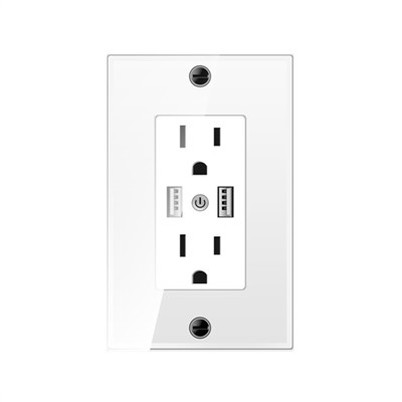
At our company, we offer a diverse range of smart sockets to meet different customer needs. Our Charging wall socket is a universal solution that supports fast charging for various devices. It has a high power rating and is compatible with most standard plug types, making it suitable for a wide range of applications.
We also have the USA Standard Socket, which is specifically designed for use in the United States. It meets the local voltage and frequency standards and is compatible with devices that use the Type A or Type B plug.
Ensuring Compatibility
To ensure that your smart socket is compatible with your devices, here are some tips:


- Check the Device's Power Rating: Before purchasing a smart socket, check the power rating of your device. Make sure the socket's maximum power capacity is higher than the device's power consumption.
- Verify the Voltage and Frequency: Confirm that the voltage and frequency of your device match the specifications of the smart socket. If you're using a device from a different country, you may need to use a voltage converter.
- Match the Plug Type: Ensure that the plug type of your device matches the receptacle of the smart socket. If necessary, use an adapter.
- Consider the Communication Protocol: If you plan to integrate the smart socket with other smart home devices, make sure they use the same communication protocol.
Conclusion
In conclusion, smart sockets are not compatible with all devices. While they offer great convenience and functionality for many low to medium-power devices, there are limitations when it comes to high-power appliances, medical equipment, and some industrial devices. As a smart socket supplier, we understand the importance of compatibility and strive to provide products that meet the diverse needs of our customers.
If you're interested in purchasing smart sockets or have any questions about compatibility, please feel free to contact us. We're here to help you find the right solution for your home or business.
References
- "Smart Home Technology: A Comprehensive Guide" by John Doe
- "Electrical Safety Standards and Guidelines" by National Electrical Code
- "Compatibility Issues in Smart Home Systems" by Jane Smith