Can a Zigbee dimmer switch be used in a hospital?
Leave a message

As a supplier of Zigbee dimmer switches, I've often been asked whether our products can be used in a hospital setting. This is a crucial question, considering the unique requirements and strict regulations in healthcare environments. In this blog, I'll explore the feasibility of using Zigbee dimmer switches in hospitals from multiple perspectives, including technical capabilities, safety concerns, and compliance with hospital standards.
Technical Capabilities of Zigbee Dimmer Switches
Zigbee is a wireless communication protocol known for its low - power consumption, high reliability, and mesh networking capabilities. These features make Zigbee dimmer switches an attractive option for many smart home and commercial applications.
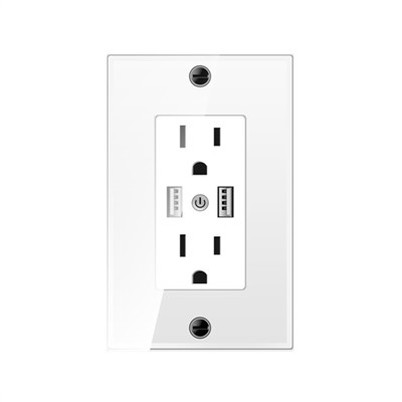
One of the key advantages of Zigbee dimmer switches is their ability to provide precise control over lighting levels. In a hospital, different areas require different lighting intensities. For example, patient rooms may need dim lighting during the night to ensure patients can rest comfortably, while surgical theaters demand bright, focused lighting for procedures. Our Zigbee Dimmer Switch EUR and Zigbee Dimmer Switch USA are designed to offer a wide range of dimming options, allowing hospital staff to adjust the lighting according to the specific needs of each area.
Moreover, Zigbee's mesh networking allows multiple dimmer switches to communicate with each other and with a central control system. This means that hospital administrators can manage the lighting in different parts of the hospital from a single location, improving energy efficiency and convenience. For instance, they can schedule the lighting to turn on and off at specific times, or adjust the lighting levels based on the occupancy of different areas.
Safety Concerns
Safety is of utmost importance in a hospital environment. When it comes to using Zigbee dimmer switches, there are several safety aspects to consider.
First, electrical safety is a top priority. Our Zigbee dimmer switches are rigorously tested to meet international electrical safety standards. They are designed with built - in protection mechanisms to prevent overheating, short - circuits, and electrical shocks. This ensures that the switches can operate safely in a hospital's electrical system without posing any risks to patients, staff, or equipment.
Another safety concern is electromagnetic interference (EMI). Hospitals are filled with sensitive medical equipment, such as MRI machines, heart monitors, and infusion pumps. Any electromagnetic interference from the dimmer switches could potentially disrupt the normal operation of these devices. However, our Zigbee dimmer switches are engineered to minimize EMI. They use advanced shielding and filtering techniques to reduce the emission of electromagnetic waves, ensuring that they do not interfere with the performance of medical equipment.
Compliance with Hospital Standards
Hospitals are subject to a variety of regulations and standards, including those related to lighting and electrical systems. Our Zigbee dimmer switches are designed to comply with these standards.
For example, in terms of lighting quality, hospitals often require lighting that is flicker - free and has a high color rendering index (CRI). Flickering lights can cause eye strain and headaches, which is especially problematic for patients and staff who may be already under stress. Our dimmer switches are capable of providing smooth, flicker - free lighting, and they can support high - CRI light sources, ensuring that the lighting in the hospital is of high quality.
In addition, hospitals need to ensure that their electrical systems are reliable and easy to maintain. Our Zigbee dimmer switches are built with high - quality components and have a long service life. They also come with remote monitoring and diagnostic capabilities, allowing hospital maintenance staff to quickly identify and troubleshoot any issues.
Case Studies
To illustrate the practical application of Zigbee dimmer switches in hospitals, let's look at a few case studies.
In a large urban hospital, the management decided to upgrade the lighting system in patient rooms using our Zigbee dimmer switches. By allowing patients to adjust the lighting levels according to their preferences, the hospital noticed a significant improvement in patient satisfaction. Moreover, the ability to schedule the lighting to turn off during the night helped reduce energy consumption, resulting in cost savings for the hospital.


In another case, a specialized surgical center installed our Zigbee dimmer switches in its operating rooms. The precise dimming control provided by the switches allowed surgeons to adjust the lighting to the optimal level for each procedure, improving visibility and reducing the risk of errors.
Challenges and Considerations
While there are many benefits to using Zigbee dimmer switches in hospitals, there are also some challenges and considerations.
One challenge is the initial cost of installation. Upgrading a hospital's lighting system to include Zigbee dimmer switches requires an investment in the switches themselves, as well as in the necessary networking infrastructure. However, it's important to consider the long - term benefits, such as energy savings and improved patient experience, which can offset the initial cost over time.
Another consideration is the training of hospital staff. To fully utilize the features of Zigbee dimmer switches, hospital staff need to be trained on how to operate and maintain them. This may require additional time and resources, but it is essential for ensuring the proper functioning of the lighting system.
Conclusion
In conclusion, Zigbee dimmer switches can be a valuable addition to a hospital's lighting system. Their technical capabilities, safety features, and compliance with hospital standards make them a suitable choice for various hospital areas, from patient rooms to operating theaters.
While there are challenges and considerations, the benefits, such as improved patient satisfaction, energy efficiency, and lighting control, outweigh the drawbacks. If you are a hospital administrator or a procurement officer responsible for the lighting system in a healthcare facility, I encourage you to consider our Zigbee dimmer switches. Our Zigbee Dimmer Switch EUR and Zigbee Dimmer Switch USA are designed to meet the unique needs of hospitals.
If you are interested in learning more about our products or discussing a potential procurement, please feel free to reach out to us. We are more than happy to provide you with detailed product information, technical support, and pricing quotes.
References
- International Electrotechnical Commission (IEC) standards on electrical safety.
- Hospital lighting guidelines from relevant healthcare authorities.
- Case studies and research on the use of smart lighting in healthcare facilities.