Can I use a USA standard socket in a basement?
Leave a message

When considering electrical installations, especially in a basement, the question of using a USA standard socket often arises. As a supplier of USA Standard Socket, I'm here to provide you with comprehensive insights into this topic.
Understanding USA Standard Sockets
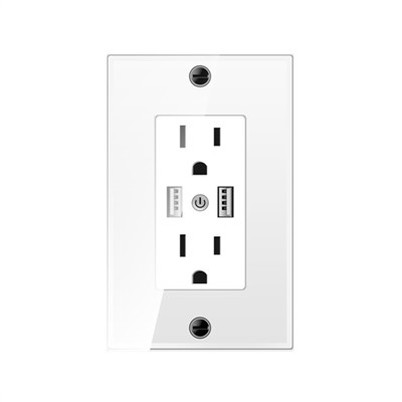
USA standard sockets are designed to comply with the electrical standards and regulations in the United States. These sockets typically have specific pin configurations and voltage requirements. The most common type of USA standard socket is the NEMA 5 - 15R, which is used for general - purpose electrical appliances. It has two flat parallel blades and a round grounding pin. The standard voltage in the US is 120V at a frequency of 60Hz.
The design of USA standard sockets is not only about the physical shape of the pins but also about safety. They are built with features to prevent electrical shocks, such as grounding mechanisms. Grounding helps to direct any stray electrical current safely into the ground, reducing the risk of electrocution and damage to electrical equipment.
Suitability of USA Standard Sockets in Basements
Electrical Requirements
The first factor to consider is the electrical supply in your basement. If you are in a country where the standard voltage and frequency match those of the United States (120V, 60Hz), then using a USA standard socket is a viable option. However, in many other countries, the standard voltage is 220 - 240V at 50Hz. In such cases, using a USA standard socket directly can be extremely dangerous.
For example, if you plug a 120V appliance designed for a USA standard socket into a 220V supply, the appliance may overheat, catch fire, or be permanently damaged. To use a USA standard socket in a non - US electrical environment, you would need a step - down transformer to convert the higher voltage to 120V.
Environmental Conditions
Basements often have unique environmental conditions that can affect the performance and safety of electrical sockets. They tend to be more humid than other parts of the house, which can lead to corrosion of the socket contacts. Corroded contacts can cause poor electrical connections, leading to overheating and potential fire hazards.
USA standard sockets are usually designed to be used in normal indoor environments. If you plan to use them in a basement, you need to ensure proper ventilation to reduce humidity. You may also consider using moisture - resistant sockets or installing a dehumidifier in the basement.
Building Codes and Regulations
Building codes and regulations vary from region to region. In some areas, there are specific requirements for electrical installations in basements. These may include the use of certain types of wiring, grounding systems, and socket enclosures.
Before installing a USA standard socket in your basement, it is crucial to check local building codes. Some codes may require the use of tamper - resistant sockets in areas accessible to children, or they may have specific rules about the placement of sockets in relation to water sources (such as sump pumps or laundry areas).
Benefits of Using USA Standard Sockets in Basements
Compatibility with USA - Made Appliances
If you have a collection of USA - made electrical appliances, using USA standard sockets in your basement ensures seamless compatibility. This eliminates the need for adapters, which can sometimes be unreliable and may not provide a proper electrical connection.
For instance, if you have a US - spec power tool or a home entertainment system imported from the United States, using a USA standard socket will allow you to use these appliances without any issues.
Safety Features
As mentioned earlier, USA standard sockets are designed with safety in mind. They often have features such as grounding, polarized plugs, and tamper - resistant shutters. These features can help protect you and your electrical equipment from electrical hazards.
Grounding, in particular, is essential in a basement where there may be a higher risk of electrical faults due to moisture or other environmental factors. A properly grounded socket can prevent electrical shocks and reduce the likelihood of electrical fires.
Installation Considerations
Wiring
Proper wiring is crucial when installing a USA standard socket in a basement. The wiring should be of the correct gauge to handle the electrical load of the appliances that will be plugged into the socket. Using undersized wiring can lead to overheating and fire hazards.
It is also important to ensure that the wiring is properly connected to the socket. Loose connections can cause arcing, which can damage the socket and pose a fire risk. If you are not experienced in electrical work, it is recommended to hire a qualified electrician to install the socket.


Placement
The placement of the socket in the basement is also important. Sockets should be placed at a convenient height for easy access to appliances. They should also be located away from water sources to prevent water damage.
In addition, consider the layout of your basement and the location of your electrical appliances. Place sockets in areas where you are likely to use your appliances, such as near workbenches or entertainment areas.
Our USA Standard Sockets
As a supplier of USA Standard Socket, we offer a wide range of high - quality sockets. Our sockets are manufactured to meet the strictest safety standards and are designed for long - term use.
We also offer Charging wall socket options that are not only compatible with USA standards but also provide fast and efficient charging for your devices. These charging wall sockets are equipped with advanced technology to protect your devices from overcharging and short - circuits.
Conclusion
In conclusion, using a USA standard socket in a basement is possible, but it requires careful consideration of electrical requirements, environmental conditions, and building codes. If you are in an area with a 120V, 60Hz electrical supply and can ensure proper installation and maintenance, a USA standard socket can be a great choice for your basement.
If you are interested in purchasing our USA standard sockets or have any questions about their suitability for your basement, please feel free to contact us for procurement and further discussions. We are committed to providing you with the best products and services to meet your electrical needs.
References
- National Electrical Code (NEC)
- Underwriters Laboratories (UL) Standards for Electrical Sockets
- Local Building Code Regulations