

Can smart sockets be used with chargers?
Leave a message

Can smart sockets be used with chargers? This is a question that many consumers and businesses often ask. As a smart socket supplier, I'm here to provide you with a comprehensive answer based on scientific facts and practical experience.
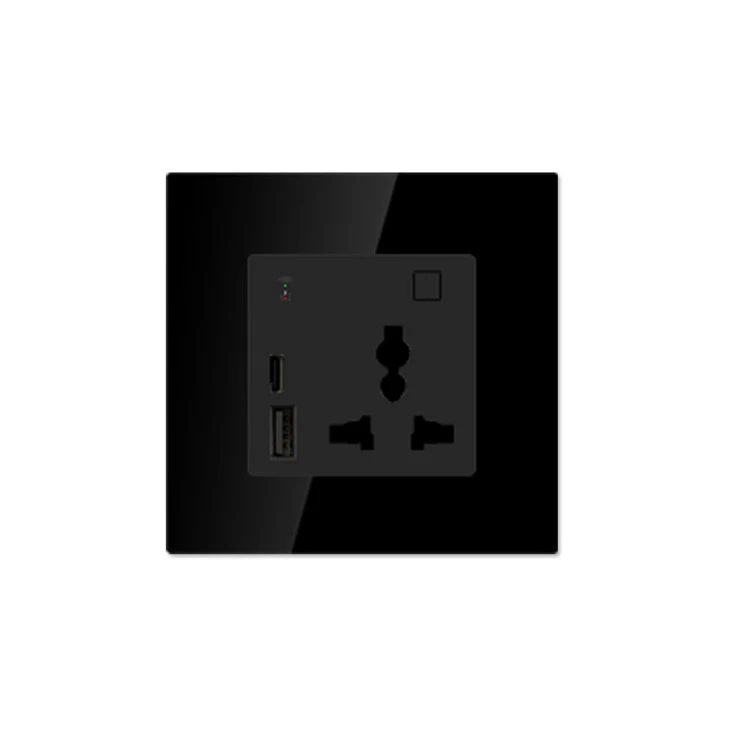

Understanding Smart Sockets and Chargers
Before delving into whether smart sockets can be used with chargers, let's first understand what these two devices are.
A smart socket is an intelligent device that can be controlled remotely via a smartphone app or other smart home systems. It offers features such as scheduling, energy monitoring, and voice control. Smart sockets come in various types and standards, for example, the USA Standard Socket which is designed to meet the electrical standards in the United States.
On the other hand, chargers are devices used to supply electrical energy to rechargeable batteries, such as those in smartphones, tablets, laptops, and other electronic devices. Chargers also vary in terms of power output, voltage, and current, depending on the device they are intended to charge.
Compatibility Factors
When considering using a smart socket with a charger, several compatibility factors need to be taken into account.
Power Rating
One of the most crucial factors is the power rating. Both the smart socket and the charger have specific power ratings, which indicate the maximum amount of power they can handle. The power rating is usually measured in watts (W) and is calculated by multiplying the voltage (V) by the current (A). For example, if a charger has a voltage of 5V and a current of 2A, its power rating is 10W.
It's essential to ensure that the power rating of the charger does not exceed the maximum power rating of the smart socket. Exceeding the power limit can cause overheating, damage to the smart socket, and even pose a fire hazard. Most smart sockets have a power rating ranging from 1000W to 2500W, which is sufficient for most common chargers. However, high - power chargers, such as those used for fast - charging electric vehicles, may require a smart socket with a higher power rating.
Voltage and Current
Voltage and current compatibility are also important. Chargers are designed to operate at specific voltage and current levels. The smart socket should be able to provide a stable voltage and current that match the requirements of the charger. In most cases, household electrical systems provide a standard voltage (e.g., 110V in the US and 220V - 240V in many other countries). Smart sockets are designed to work within these standard voltage ranges. As long as the charger is compatible with the local electrical system, it should work well with a properly rated smart socket.
Plug Type
The plug type is another practical consideration. Chargers come with different plug types, depending on the region and the device. Smart sockets are available in various plug configurations to match different regional standards. For example, the USA Standard Socket is designed with a plug type that is suitable for use in the United States. It's important to ensure that the plug of the charger can fit into the smart socket.
Benefits of Using Smart Sockets with Chargers
There are several benefits to using smart sockets with chargers.
Energy Management
Smart sockets offer energy monitoring features that allow users to track the energy consumption of the charger. This can be particularly useful for businesses or individuals who want to manage their energy usage and reduce costs. By monitoring the energy consumption, users can identify if a charger is using more energy than necessary and take appropriate measures, such as unplugging the charger when it's not in use or adjusting the charging schedule.
Remote Control
The ability to control the smart socket remotely is a significant advantage. For example, if you forget to unplug a charger after your device is fully charged, you can use your smartphone app to turn off the power supply to the charger. This not only saves energy but also helps to prolong the lifespan of the charger and the device's battery.
Scheduling
Smart sockets allow users to set charging schedules. You can program the smart socket to turn on the charger at a specific time, such as during off - peak hours when electricity rates are lower. This can result in cost savings, especially for high - power chargers used for multiple devices.
Special Considerations for Charging Wall Sockets
Some smart sockets are specifically designed as Charging wall sockets. These charging wall sockets often come with built - in chargers or support multiple charging ports.
Multiple Charging Ports
Charging wall sockets with multiple charging ports can be very convenient for charging multiple devices simultaneously. However, when using multiple chargers in a single smart socket, it's even more important to pay attention to the total power consumption. The combined power rating of all the chargers should not exceed the maximum power rating of the smart socket.
Fast Charging
Fast - charging technology is becoming increasingly popular. Smart charging wall sockets are often designed to support fast - charging capabilities. However, fast - charging chargers typically have a higher power output, so it's crucial to ensure that the smart socket can handle the increased power demand.
Safety Precautions
When using smart sockets with chargers, safety should always be the top priority.
Regular Inspection
Regularly inspect the smart socket and the charger for any signs of damage, such as frayed cords, loose connections, or overheating. If you notice any issues, stop using the devices immediately and replace them.
Use of Certified Products
Always use certified smart sockets and chargers. Certified products have undergone rigorous testing to ensure that they meet safety standards. Avoid using cheap, uncertified products, as they may not have proper safety features and can pose a significant risk.
Conclusion
In conclusion, smart sockets can generally be used with chargers, provided that the compatibility factors such as power rating, voltage, current, and plug type are carefully considered. When used correctly, smart sockets offer many benefits, including energy management, remote control, and scheduling. However, it's essential to follow safety precautions to ensure a safe and efficient charging experience.
If you are interested in purchasing smart sockets for use with chargers, whether for your home or business, we are here to assist you. We offer a wide range of high - quality smart sockets, including the USA Standard Socket and Charging wall socket. Contact us to discuss your specific requirements and start optimizing your charging solutions today.
References
- Electrical Safety Foundation International. (2023). Electrical Safety Guidelines.
- Consumer Technology Association. (2023). Standards for Chargers and Smart Home Devices.


