

How to ensure the electromagnetic compatibility of a Zigbee fan switch?
Leave a message

Hey there! As a supplier of zigbee fan switches, I've been getting a lot of questions lately about how to ensure the electromagnetic compatibility (EMC) of these devices. So, I thought I'd share some insights based on my experience in the industry.
First off, let's talk about what electromagnetic compatibility actually means. In simple terms, it's the ability of an electronic device to operate in its intended electromagnetic environment without causing interference to other devices or being affected by interference from other sources. For a zigbee fan switch, this means that it should be able to communicate with other zigbee devices in the network without any glitches, and it shouldn't emit any electromagnetic noise that could disrupt the operation of other nearby electronics.
Now, let's dive into the practical steps you can take to ensure the EMC of your zigbee fan switch.
1. Design Considerations
- Circuit Layout: The layout of the circuit board is crucial for EMC. You want to keep the high - frequency components away from the low - frequency ones. For example, the zigbee module, which operates at a relatively high frequency, should be placed separately from the power supply and control circuits. This helps to minimize the coupling of electromagnetic fields between different parts of the circuit.
- Grounding: A proper grounding system is essential. Make sure that all the components are connected to a common ground plane. This provides a low - impedance path for the return currents, reducing the chances of electromagnetic radiation. You can also use grounding vias to connect different layers of the printed circuit board (PCB) to the ground plane.
- Shielding: Consider using shielding for sensitive components, especially the zigbee module. A metal shield can help to contain the electromagnetic fields generated by the module and prevent them from interfering with other parts of the switch. However, make sure that the shield is properly grounded to be effective.
2. Component Selection
- Zigbee Module: Choose a high - quality zigbee module that has been tested for EMC compliance. Reputable manufacturers usually provide EMC test reports for their modules, which can give you an idea of their performance. Look for modules that are designed to operate in a noisy electromagnetic environment and have built - in features to reduce interference.
- Capacitors and Inductors: These passive components play an important role in filtering out unwanted electromagnetic noise. Use high - quality capacitors and inductors with appropriate values for your circuit. For example, ceramic capacitors are often used for high - frequency filtering, while electrolytic capacitors are better for low - frequency applications.
- Power Supply: The power supply can be a major source of electromagnetic interference. Select a power supply that has good EMC performance. Switch - mode power supplies are commonly used in zigbee fan switches, but they can generate a lot of noise. Look for power supplies with built - in filters to reduce this noise.
3. Testing and Certification
- Pre - Compliance Testing: Before you go for formal certification, conduct pre - compliance testing in your own lab or with a third - party testing facility. This allows you to identify and fix any EMC issues early in the development process. You can use spectrum analyzers and other EMC testing equipment to measure the electromagnetic emissions of your zigbee fan switch.
- Formal Certification: Once you are satisfied with the pre - compliance testing results, get your zigbee fan switch certified for EMC compliance. There are different standards for EMC, such as FCC in the United States and CE in Europe. Complying with these standards is not only a legal requirement in many regions but also gives your customers confidence in the quality of your product.
4. Installation and Environment
- Installation: When installing the zigbee fan switch, follow the installation instructions carefully. Make sure that the wiring is done properly and that there are no loose connections. Loose wires can act as antennas and radiate electromagnetic noise. Also, keep the switch away from other sources of electromagnetic interference, such as motors and power transformers.
- Environment: Consider the electromagnetic environment in which the switch will be used. If it's going to be installed in a noisy industrial environment, you may need to take additional measures to protect the switch from interference. For example, you can use shielded cables or install the switch in a metal enclosure.
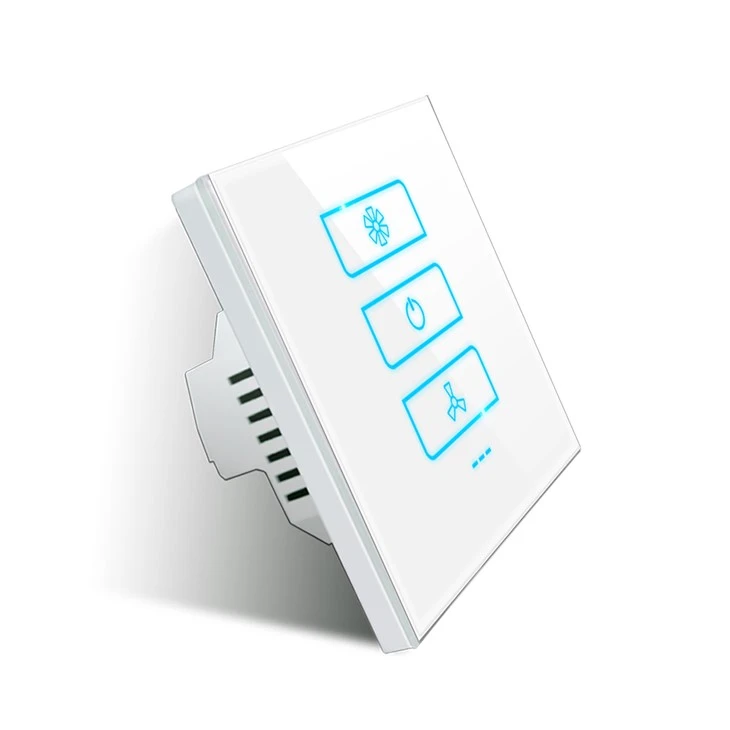
Now, let me tell you a bit about our Zigbee Fan Switch. We've taken all these EMC considerations into account during the design and manufacturing process. Our switches are made with high - quality components and have been thoroughly tested for EMC compliance. They are designed to work seamlessly with other zigbee devices in your smart home network, providing reliable and interference - free operation.
We also offer an Intelligent fan switch panel that combines the functionality of a fan switch with a smart control panel. This panel is not only easy to use but also has excellent EMC performance, ensuring that it won't cause any problems in your electromagnetic environment.
If you're in the market for a high - quality zigbee fan switch with good EMC, we'd love to hear from you. Whether you're a wholesaler, a retailer, or an end - user, we can provide you with the right product for your needs. Contact us for more information and let's start a conversation about your procurement requirements.

References
- "Electromagnetic Compatibility Engineering" by Henry W. Ott
- Zigbee Alliance Technical Documentation
- EMC Standards such as FCC Part 15 and CE EN 55032


